Entry · Ref 0XLGNSOA
Removing Gum and Stains With Hot Water Power Washing
- Posted
- 2026-10-22
- Last amended
- 2026-10-22
- Account
- @ericktrab274
Chewing gum, oily marks and stubborn grime can make an otherwise tidy property look neglected. Around Melbourne Bayside, these problems commonly affect shopfronts, apartment entrances, outdoor dining areas and residential driveways. Once gum has been walked into a textured surface or oil has soaked into concrete, ordinary hosing rarely achieves much.
Hot water power washing combines heat, water flow and controlled pressure to loosen contamination and carry it away. On suitable surfaces, it can remove gum and greasy deposits more efficiently than cold water alone. However, good results depend on identifying the stain, choosing the right cleaning method and managing the dirty water responsibly.
How Hot Water Power Washing Works
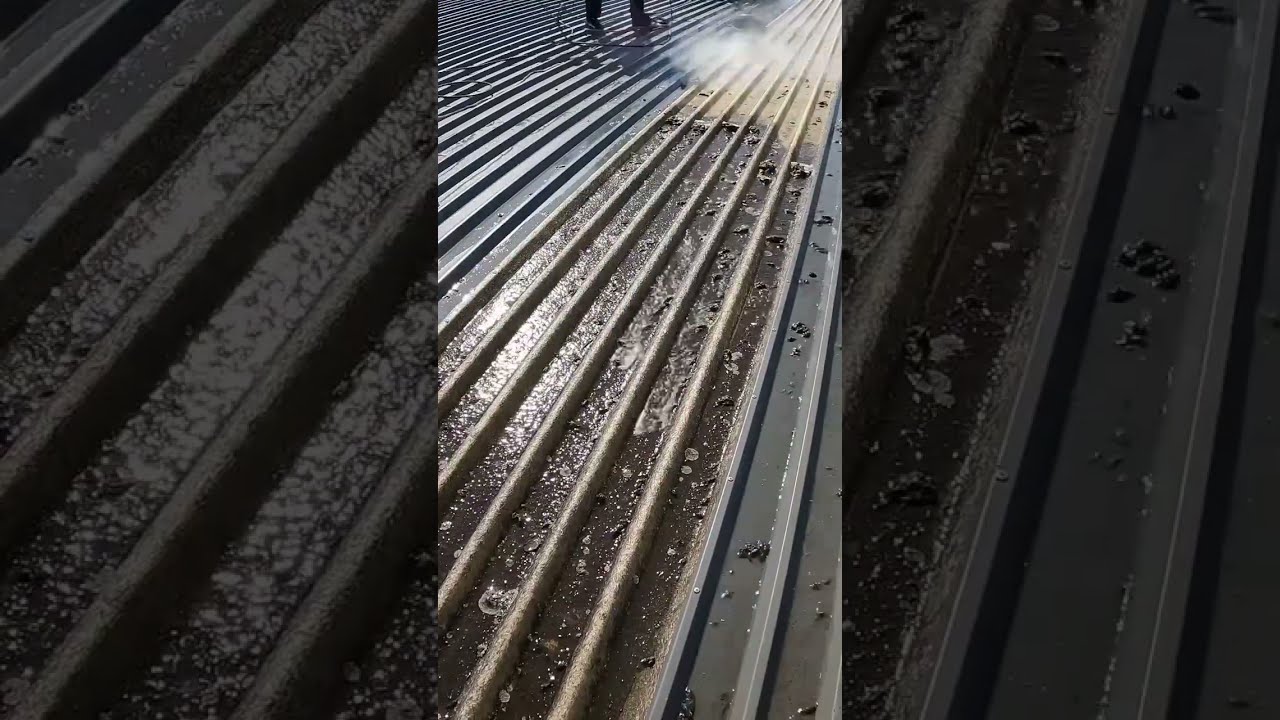
A hot water pressure washer heats water before delivering it through a hose and cleaning nozzle. The combination of thermal energy and water movement helps soften chewing gum and loosen oily residues. Suitable detergents may also help break down contamination so it can be rinsed and collected.
Although pressure washing and power washing are often used interchangeably, power washing commonly refers to equipment that uses heated water. When comparing services, ask whether hot water is actually included rather than relying on the service name.
Professional hot water equipment often operates at temperatures around 60–90°C, depending on the machine and task. Some specialist systems produce hotter water or steam. These are equipment capabilities, not recommended settings for every surface: the operator must match temperature, pressure and nozzle choice to the material being cleaned.
Why Heat Helps With Chewing Gum
Chewing gum contains a sticky, water-resistant gum base that grips small surface irregularities. Foot traffic presses it into concrete pores, paving joints and textured finishes. Over time, dirt makes the deposit darker and more noticeable.
Heat softens this material, helping an operator lift it without relying entirely on aggressive pressure. This matters because excessive pressure can remove concrete paste, damage grout or leave visible cleaning marks. Removed gum still needs to be collected rather than simply pushed into a gutter.
Why Hot Water Helps With Grease
Heat can reduce the viscosity of oils and soften greasy deposits, making them easier to dislodge. A compatible degreaser may improve removal, particularly around restaurant entrances, bin areas and vehicle parking spaces.
However, loosening oil is only https://hectoroysx975.northstarcolumn.com/posts/finding-reliable-power-washing-services-in-brighton part of the job. Oily wash water must be contained and managed appropriately, otherwise cleaning simply moves the contamination somewhere else.
Which Stains Can Hot Water Remove?
Hot water pressure cleaning is useful for many common deposits, but it is not a universal stain remover. Identifying the source of a mark helps avoid unnecessary pressure, unsuitable chemicals and disappointing results.
Chewing Gum and Sticky Residues
Gum on sound concrete and compatible paving is a strong candidate for targeted hot water treatment. Adhesive residues may also respond, although some require a surface-safe specialist product. Gum can leave a darker or lighter outline after the bulk material is removed, particularly where it has trapped dirt or affected a coating.
Oil and Automotive Stains
Fresh oil is generally easier to treat than oil that has penetrated deeply into porous concrete. Hot water and degreaser can remove surface contamination and improve older stains, but complete removal is not always possible. Deep staining may need repeated treatment or a specialist poultice designed to draw contaminants out of the substrate.
If an oil spill is fresh, contain it with a suitable absorbent rather than hosing it towards the street. Sweep up and dispose of the used absorbent appropriately before arranging further cleaning.
Food Grease and General Grime
Outdoor eating areas and waste storage zones often accumulate mixed deposits of food oils, dirt and sticky drink residues. Hot water can be particularly effective here, provided nearby finishes are protected and wastewater is collected. Cleaning also helps address slippery greasy films, although the surface should remain closed until it is safe to use.
Rust, Efflorescence and Organic Growth
Rust and efflorescence usually need a different approach. Rust may require a compatible rust treatment, while the white mineral deposits associated with efflorescence need assessment of both the deposit and its moisture source. Increasing water pressure is not a reliable solution.
Algae and other biological growth may need an appropriate treatment alongside washing. Removing visible growth does not fix the dampness, shade or poor drainage that allows it to return.
Choosing a Safe Method for Bayside Surfaces
Properties across Brighton, Hampton, Sandringham, Black Rock and Beaumaris feature a mix of concrete, brick paving, natural stone, timber and coated finishes. Each reacts differently to heat, pressure and cleaning products. Coastal exposure can also contribute to weathering and deterioration, so the condition of the material matters as much as its type.
Concrete and Exposed Aggregate
Sound concrete often responds well to hot water driveway cleaning. However, weak, deteriorated or recently installed concrete can be damaged by aggressive washing. Follow the installer’s advice for new concrete, including any curing and coating requirements.
Exposed aggregate needs particular care around loose stones and worn binder. An operator should test an inconspicuous area and use settings that clean without dislodging material. For larger areas, a surface cleaner can help achieve a more even finish than repeated narrow wand passes.
Brick Paving and Natural Stone
Pressure cleaning can remove jointing sand from brick paving, so joints may need replenishing afterwards. Loose pavers and deteriorated mortar should be addressed before cleaning.
Natural stone requires material-specific care. Acid-sensitive stones, including limestone and marble, can be permanently etched by acidic products. Sealers may also react badly to heat or chemicals. A test patch is essential, and the stone or sealer supplier’s guidance should take priority.
Painted, Timber and Coated Surfaces
Hot water at high pressure is not automatically suitable for painted walls, timber decking, asphalt or decorative coatings. Heat can soften some materials, while pressure may strip finishes or drive water into vulnerable joints.
The same caution applies to house washing and roof cleaning. These services often require lower-pressure methods and compatible treatments rather than the equipment settings used on a concrete driveway. Never assume that a gum-removal technique is suitable for roof tiles, cladding or render.
What a Careful Cleaning Process Looks Like
A professional service should explain its method before starting, especially where gum removal is part of a larger commercial or residential clean. A sound process generally includes the following steps:
- Inspect the area: Identify the surface, likely stain sources, existing damage, coatings, drainage points and nearby electrical hazards.
- Plan containment and access: Protect surrounding property, establish pedestrian controls and arrange wastewater collection where needed.
- Test the treatment: Check temperature, pressure and any cleaning product on a small, discreet section.
- Pretreat suitable stains: Apply a compatible product according to its label, allowing the specified contact time without letting it dry unexpectedly.
- Remove gum and clean evenly: Use controlled passes and collect loosened debris rather than spreading it across the site.
- Recover wastewater and inspect: Manage collected water appropriately, check for remaining contamination and advise on drying, joint repairs or follow-up treatment.
Targeted gum removal can reveal clean spots against a dirty background. Where appearance matters, cleaning the surrounding section may produce a more consistent result than treating individual gum deposits alone.
Protecting Stormwater and Port Phillip Bay
Wastewater management is particularly important in Melbourne Bayside, where stormwater can carry pollutants towards local waterways and Port Phillip Bay. Wash water may contain oil, detergent, sediment, gum fragments and other contaminants even when it looks relatively clear.
Do not allow polluted cleaning water to flow into stormwater drains. In Victoria, the general environmental duty requires risks of harm from pollution and waste to be reduced so far as reasonably practicable. The controls needed depend on the activity, location and contaminants involved.
Appropriate measures may include drain protection, temporary bunding, wet vacuum recovery and an approved disposal pathway. Discharge to the sewer is not automatically permitted; relevant water authority requirements and any trade waste approval must be checked. A cleaning product labelled “biodegradable” does not make contaminated runoff safe for stormwater.


For work affecting a public footpath, road reserve or pedestrian access, check applicable council requirements before starting. Commercial sites should also coordinate cleaning with tenants and neighbouring businesses so barriers and equipment do not create new hazards.
Preparing Your Property for Hot Water Cleaning
Before the appointment, move vehicles, outdoor furniture, loose mats and portable signs away from the work area. Tell the cleaner about known leaks, damaged paving, recent sealing, sensitive plants and any previous chemical treatments. Photographs of the stains and the wider area can help with an initial assessment.
Keep children and pets clear during cleaning. Hot hoses, spray, slippery surfaces and cleaning chemicals all require controlled access. Close nearby windows and doors, and discuss protection for low-level vents, electrical fittings and delicate finishes.
For a business entrance, book a time that allows cleaning, wastewater recovery and safe reopening before customers arrive. Some surfaces remain slippery while wet, and any follow-up sealing has its own drying and curing requirements.
How Often Should Gum and Stains Be Removed?
There is no single cleaning schedule for every property. Busy retail frontages and outdoor dining areas may need frequent inspections and targeted treatment, while a residential driveway may only need attention when contamination appears.
Prompt removal generally prevents deposits from accumulating and makes maintenance more manageable. Address oil leaks, improve bin hygiene and keep drainage functioning rather than relying on repeated washing alone. Where appropriate, a compatible sealer may reduce absorption, but it will not make paving stain-proof or eliminate maintenance.
Questions to Ask a Local Cleaning Provider
Ask whether the quote includes hot water, gum removal, stain pretreatment and wastewater recovery. Confirm the proposed method is suitable for your particular surface, and ask how nearby property and stormwater drains will be protected. Public liability insurance and clear site safety arrangements are also important.
Be cautious about guarantees that every stain will disappear. A reliable provider explains likely improvements, possible residual marks and any risk of revealing existing wear. Comparing the full scope of work is more useful than choosing solely on a square-metre price.
A Cleaner Finish Without Unnecessary Damage
Hot water power washing is a practical option for removing chewing gum, grease and stubborn surface grime across Melbourne Bayside. Its greatest advantage is the ability to use heat alongside controlled pressure, rather than treating every mark with more force.
The best results come from matching the method to the surface, setting realistic expectations and containing contaminated runoff. Whether you need targeted gum removal or broader driveway cleaning, those fundamentals help protect both your property and the surrounding environment.
Bayside Pressure Cleaning Pros
Unit 3/3-5 Arnold St, Cheltenham VIC 3192
ph. (03) 4517 6380